Welcome to the 2nd article of our 3 part series on Bone Density.
(1) Understanding Bone Density
(2) Top 11 Bone Building Exercises
(3) Bone Density Nutrition & Supplementation.
How We Build Bone Density
Building and maintaining bone density is a lifelong process. We achieve our peak bone mass around early adulthood (~age 25-30) - meaning that we must start the process of reinforcing our bone tissue early through intentional movement, nutrition, and proper interventions.
One of the most effective strategies for increasing or maintaining bone density is through regular physical activity—particularly resistance and weight-bearing exercises. According to the National Institute of Arthritis and Musculoskeletal and Skin Diseases (NIAMS), a combination of weight-bearing, resistance, and balance-training exercises is most effective for bone health.
TrainSMART Personal Fitness emphasizes functional training rooted in foundational movements that improve overall strength, coordination, and bone health
The Role of Strength and Weight Training
Resistance training directly stimulates bone formation by stressing the muscles and bones. When the body is stressed, it is forced to adapt. This stress will prompt the body to increase bone density to accommodate these higher loads and forces.
This is where those osteoblasts and osteoclasts come in to mediate this bone building activity. Foundational movements such as squats, deadlifts, and carries load the skeletal system and stimulate bone growth. TrainSmart’s philosophy incorporates progressive overload, power training, 3-dimensional movement patterns, and plyometrics to challenge the musculoskeletal system in ways that mimic our day-to-day activities. Over time, this helps to preserve or increase bone mineral density (BMD), especially in high-risk areas such as the hips, knees, and spine.
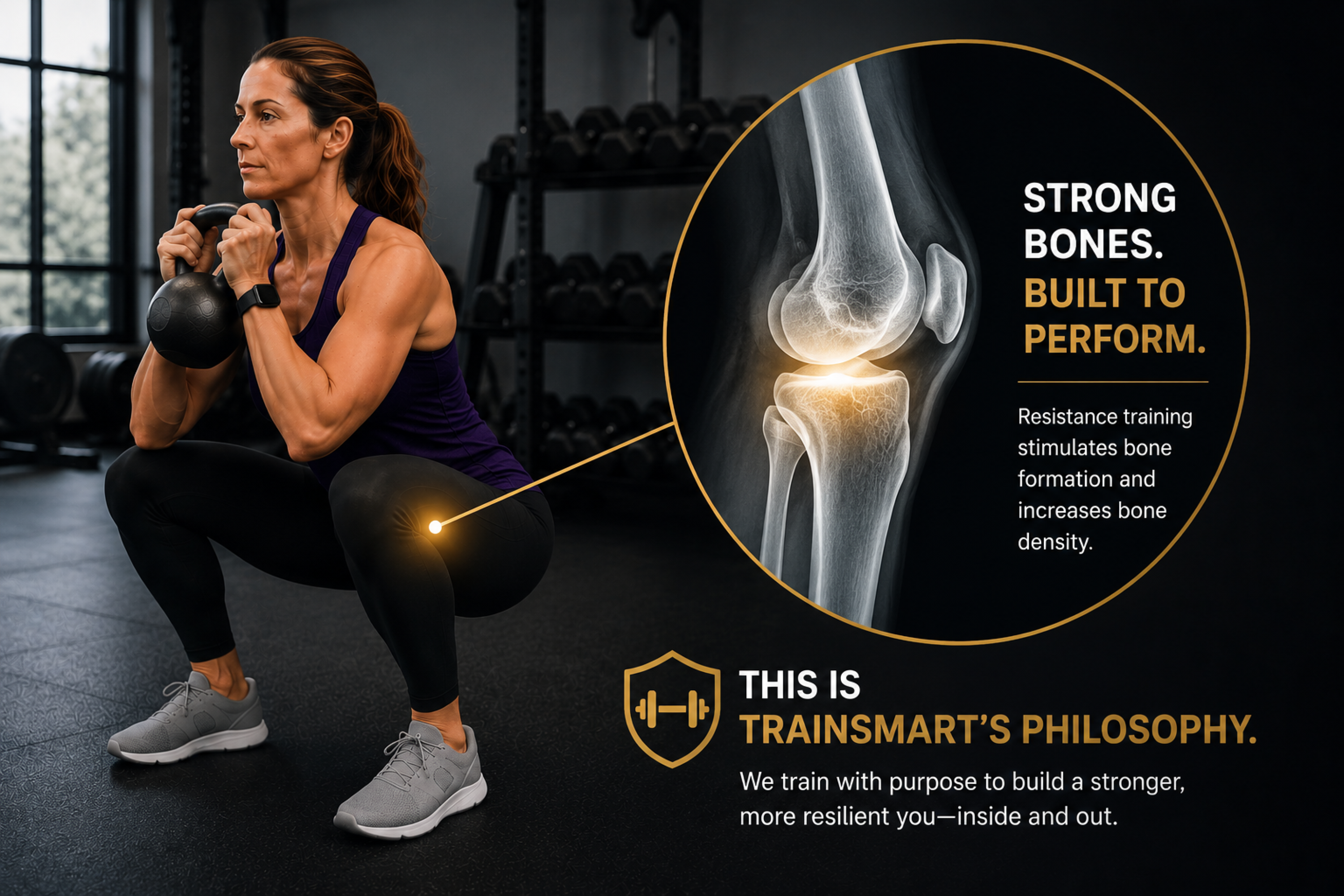
Exercises that apply direct force to the skeleton—such as heel drops, jumping, and loaded carries—are especially helpful in improving BMD. Balance training and aerobic activities (like walking or hiking) further contribute to bone health by reducing fall risk and enhancing overall function. Making these activities fun and enjoyable allows us to be consistent, which is essential for long-term benefits.
Helpful Terms
- Progressive Overload: Gradually increasing weight, reps, or intensity to regularly stimulate adaptation.
- Power Training: Movements such as medicine ball slams or kettlebell swings to improve bone responsiveness and quick muscle activation.
- 3-Dimensional Training: Incorporating motion across all planes (front, back, side-to-side, etc) to improve balance, core engagement, and skeletal resilience.
- Plyometrics: Controlled jumping, hopping, or bounding exercises that provide quick-impact loading.
TrainSMART’s individualized functional strength programming allows clients to train safely and effectively at any age, focusing on personal goals and fostering long-term success
Exercises: Activities to Implement Daily
Bone is a living tissue, constantly breaking down and rebuilding in response to internal and external demands. When it comes to increasing bone density, exercise is one of the most powerful, natural interventions available. The right type of movement can trigger mechanical signals that tell your body to create more bone, making your skeleton stronger and more resilient.
“Be good to your bones. They are your foundation”
— Dr. Stacy Sims
Exercise 1: Weighted Walking (Rucking)
Why it works:
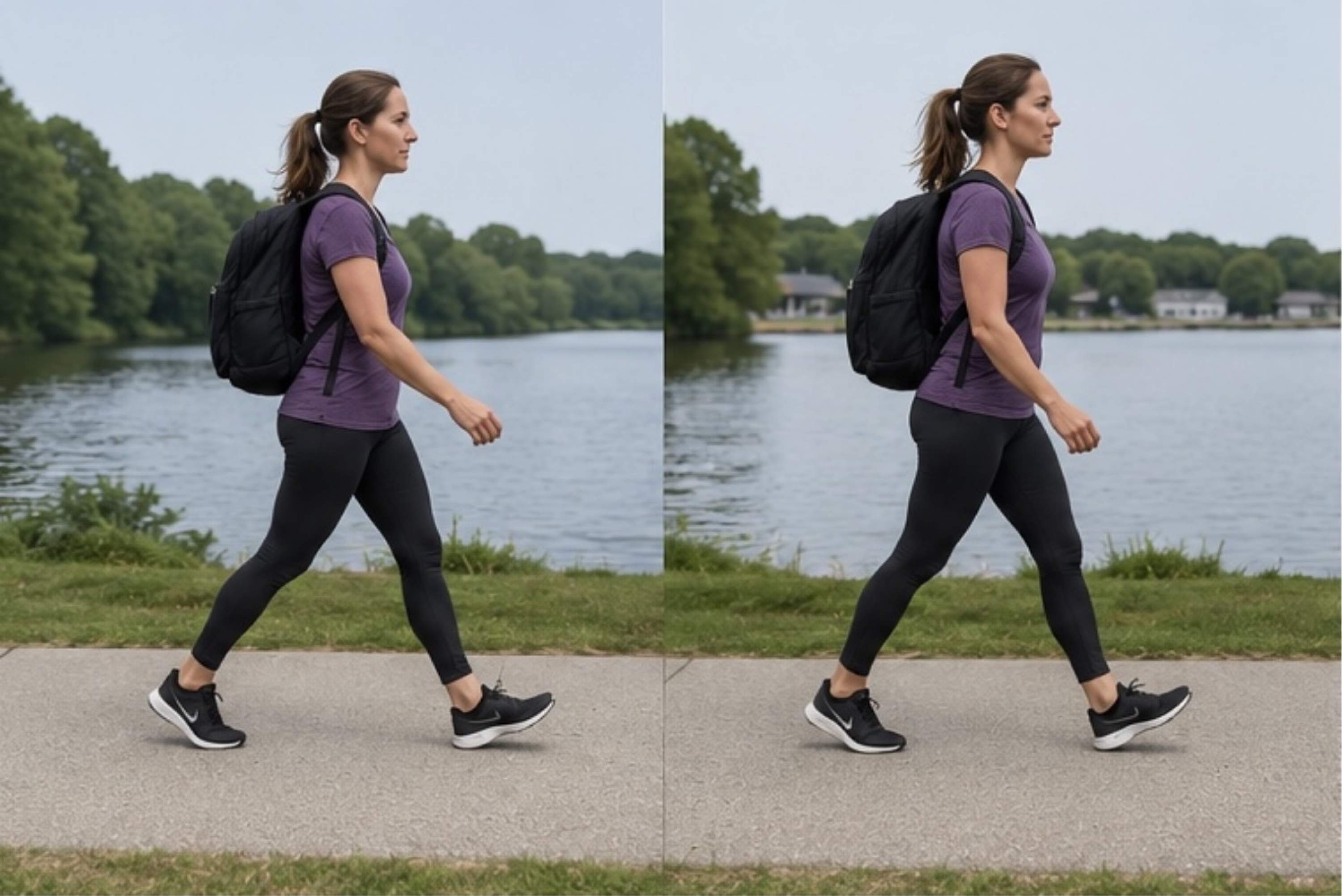
Walking alone can maintain bone density, but does not build bone density. Adding a weighted backpack (rucking) or vest is what turns it into a powerful osteogenic (bone building) exercise. This also has many benefits for cardiovascular health!
How to do it:
Begin with 5–10% of your body weight in a backpack or vest. Walk briskly for 20–30 minutes, 3–5 times a week. Over time, increase distance or weight gradually.
Exercise 2: Free Weight Training
Examples: Squats, Lunges, Hinges, Presses, Pulls, Carries
Why it works:
Resistance training directly stimulates bone growth, particularly in the spine and hips. Even more than just bone density, weight training can change the makeup of our bones, specifically our trabecular columns, to better resist fracture from falls. It may also improve our balance through building strength, also leading to a lesser likelihood of falls.
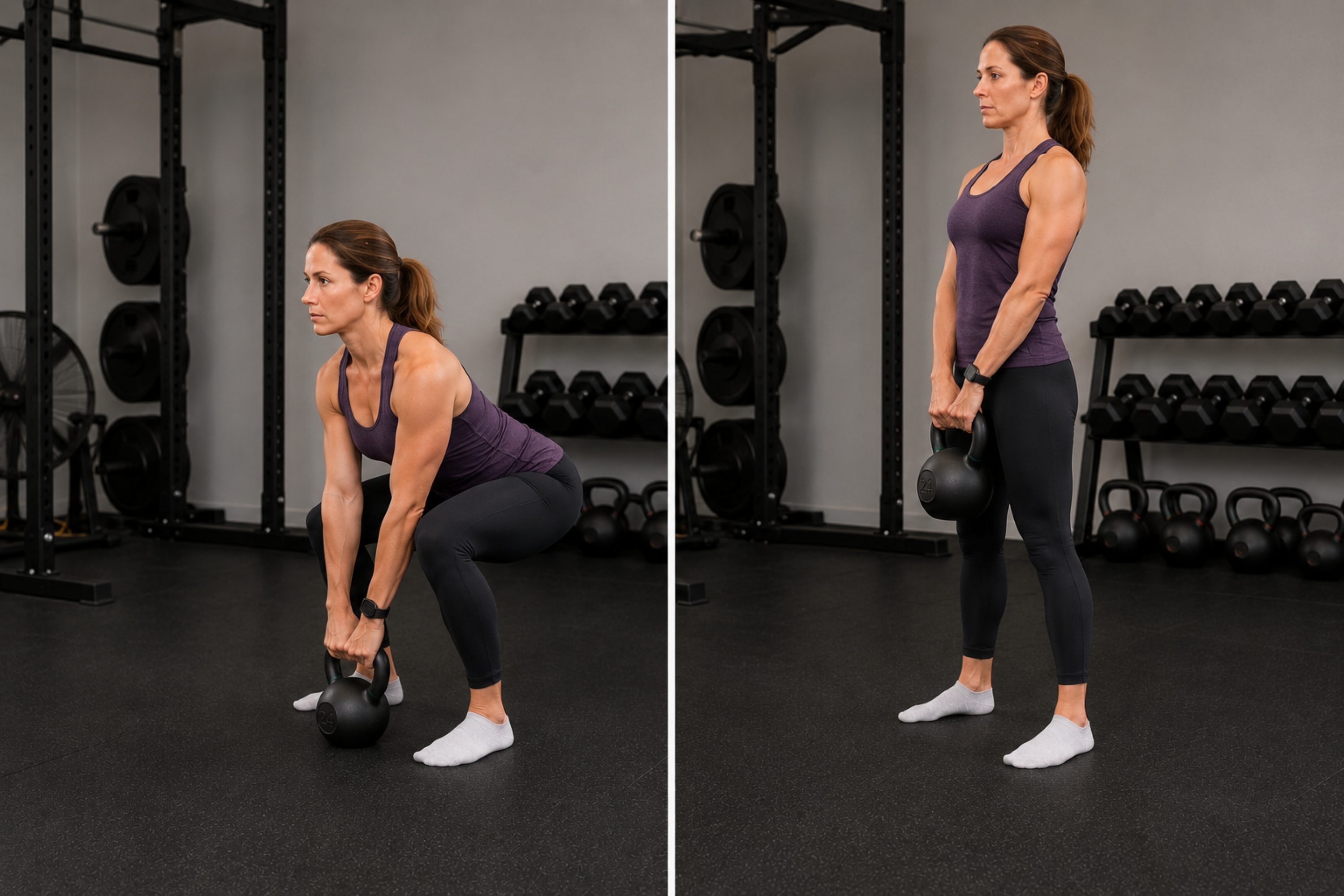
How to do it:
Perform compound lifts like squats, deadlifts, and overhead presses 2–3 times per week using free weights. Focus on lower reps (6–10) with challenging weight to maximize bone stress. Avoid machines if possible, as it may increase pressure on one’s spinal discs and even diminish the production of important anabolic hormones.
Exercise 3: Jumping
Why it works:
The ground reaction forces from jumping create a strong bone-stimulating signal. In simpler terms, the force/load we put in the ground when we jump is put back into our bones as a stimulus for growth. This is particularly helpful for post-menopausal women.
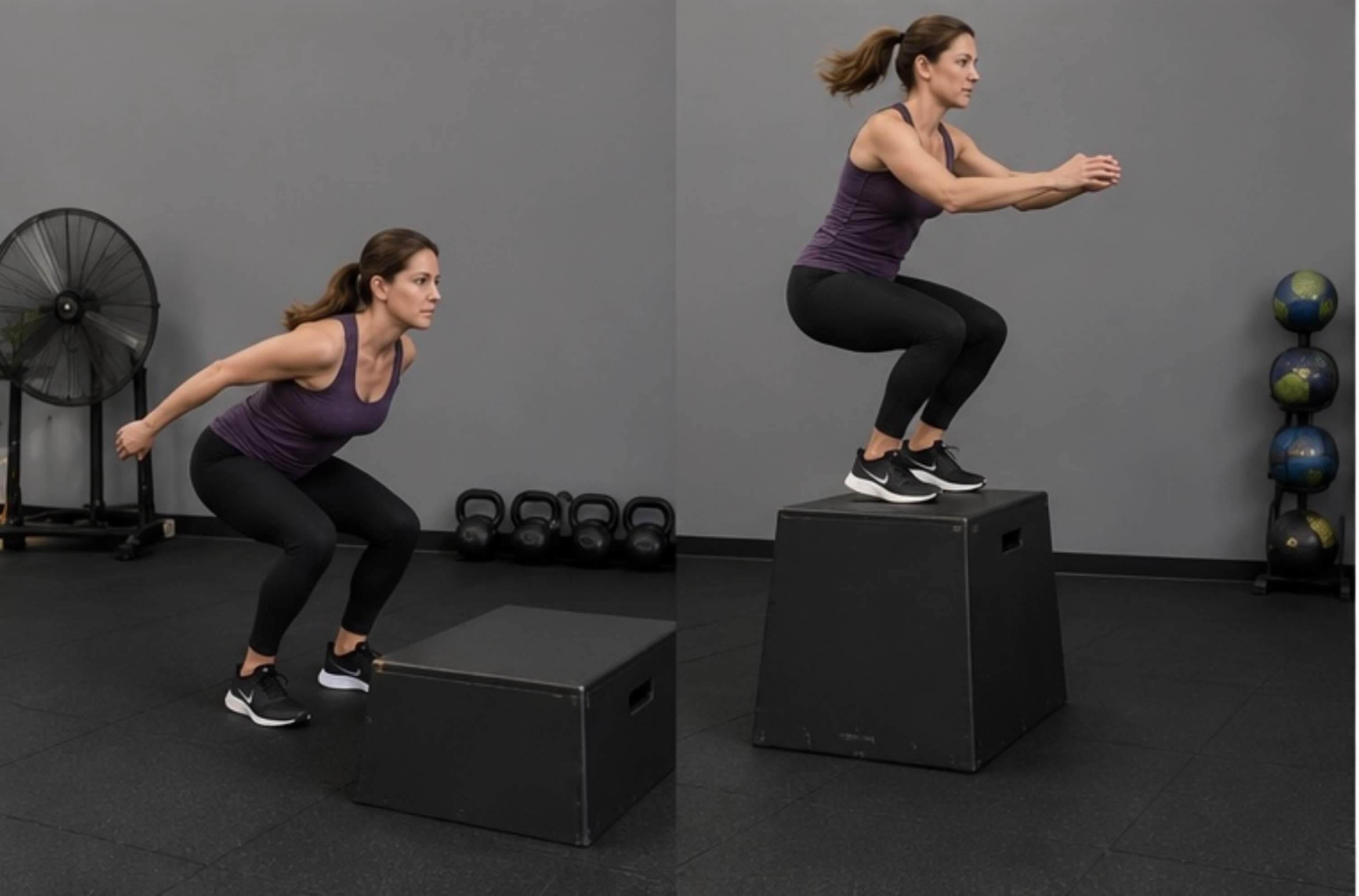
How to do it:
Begin with 10–20 jumps from a 12-inch surface, or simply hopping in place. Do this twice daily, with 30 seconds of rest between each jump. If you have osteopenia or osteoporosis, only perform these if cleared for high-impact activity by your primary physician.
Exercise 4: Heel Drops
Why it works:
It is safe, simple, and evidence-backed. The ground reaction forces stimulate needed bone growth, particularly in the heel and legs.
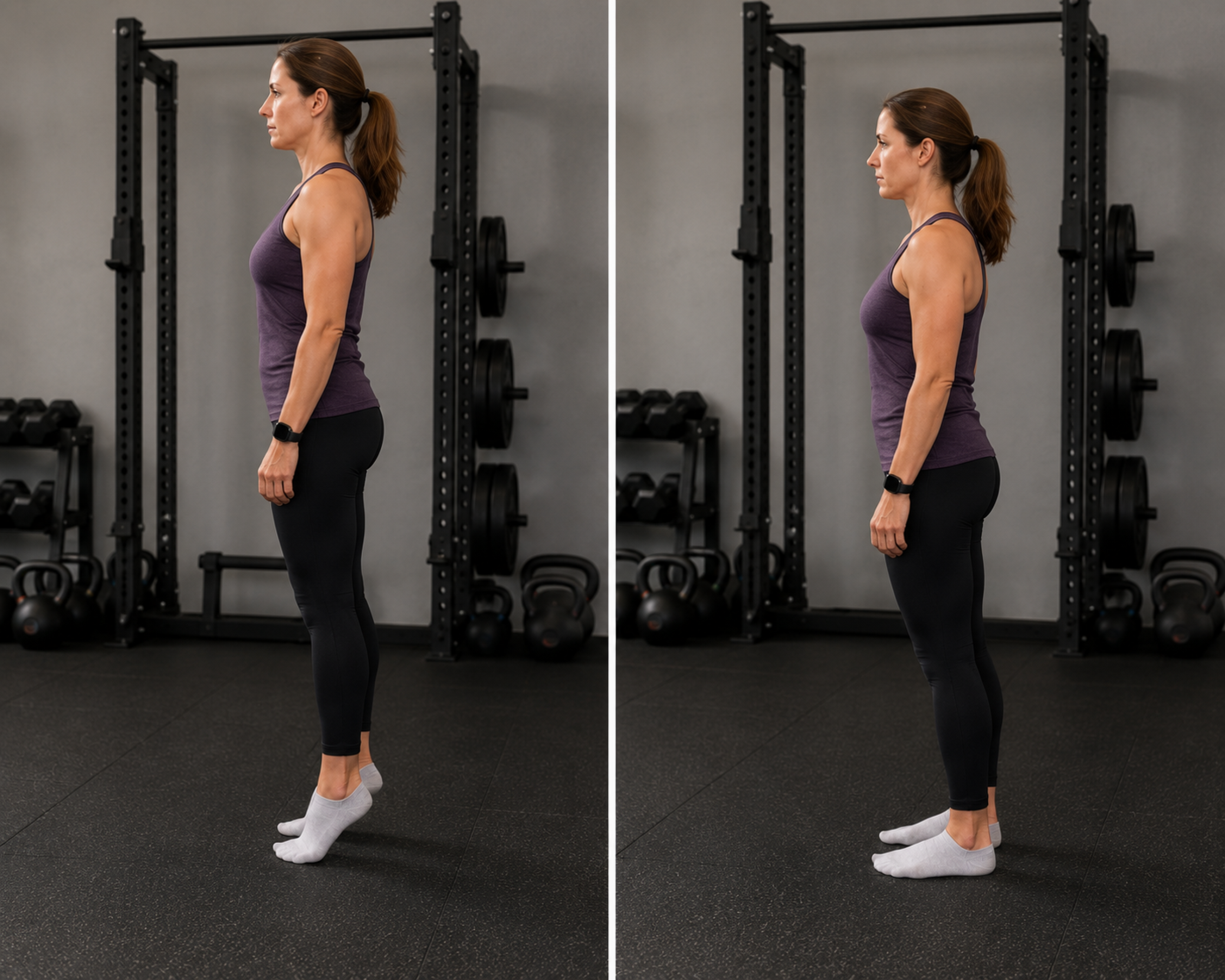
How to do it:
Drop your heels from a small step (or ground) 50 times per day. You can break these into smaller sets if needed (e.g., 25 twice daily, 10 five times daily). This exercise builds bone density in hips and legs, and is the most effective in pre-menopausal women. These have not shown improvements for post-menopausal women.
Exercise 5: Resistance Bands & Tubing
Why it works:
Portable, accessible, and effective for stimulating bones. It is also versatile and good for on-the-go workouts!
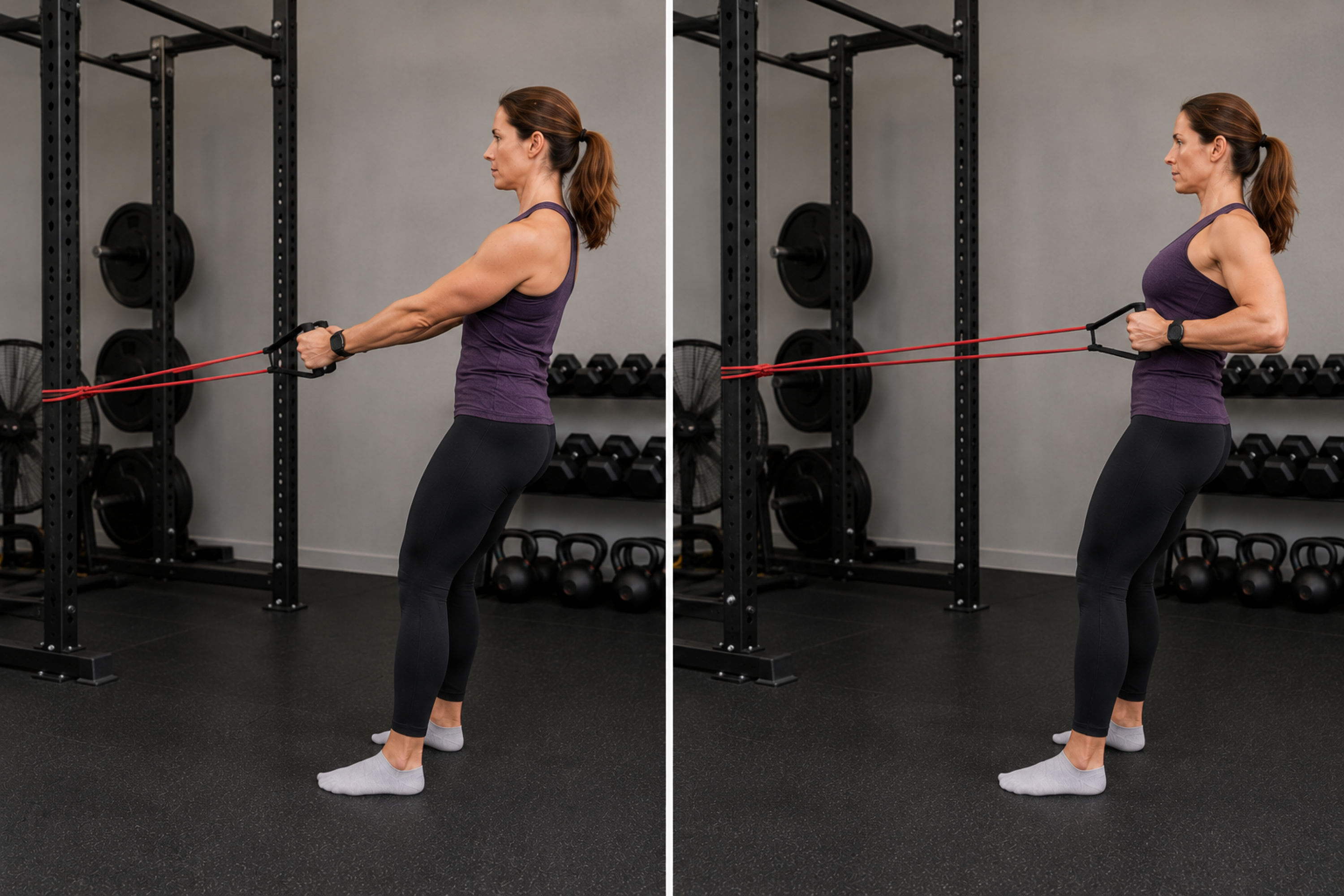
How to do it:
You can use bands for rows, presses, squats, and many more exercises! Your creativity is only limited by your imagination. Aim for 2–3 resistance workouts weekly. Try to keep the tension in the bands consistent and the movements slow and controlled.
Exercise 6: Core Training
Examples: Planks, Bridges, Bird-Dogs, etc.
Why it works:
By strengthening our trunk muscles, we may stabilize the spine and pelvis, improving our posture and balance. This stability is a non-negotiable prerequisite for all forms of training, but it is important to note that bodyweight exercises alone do not increase bone density.
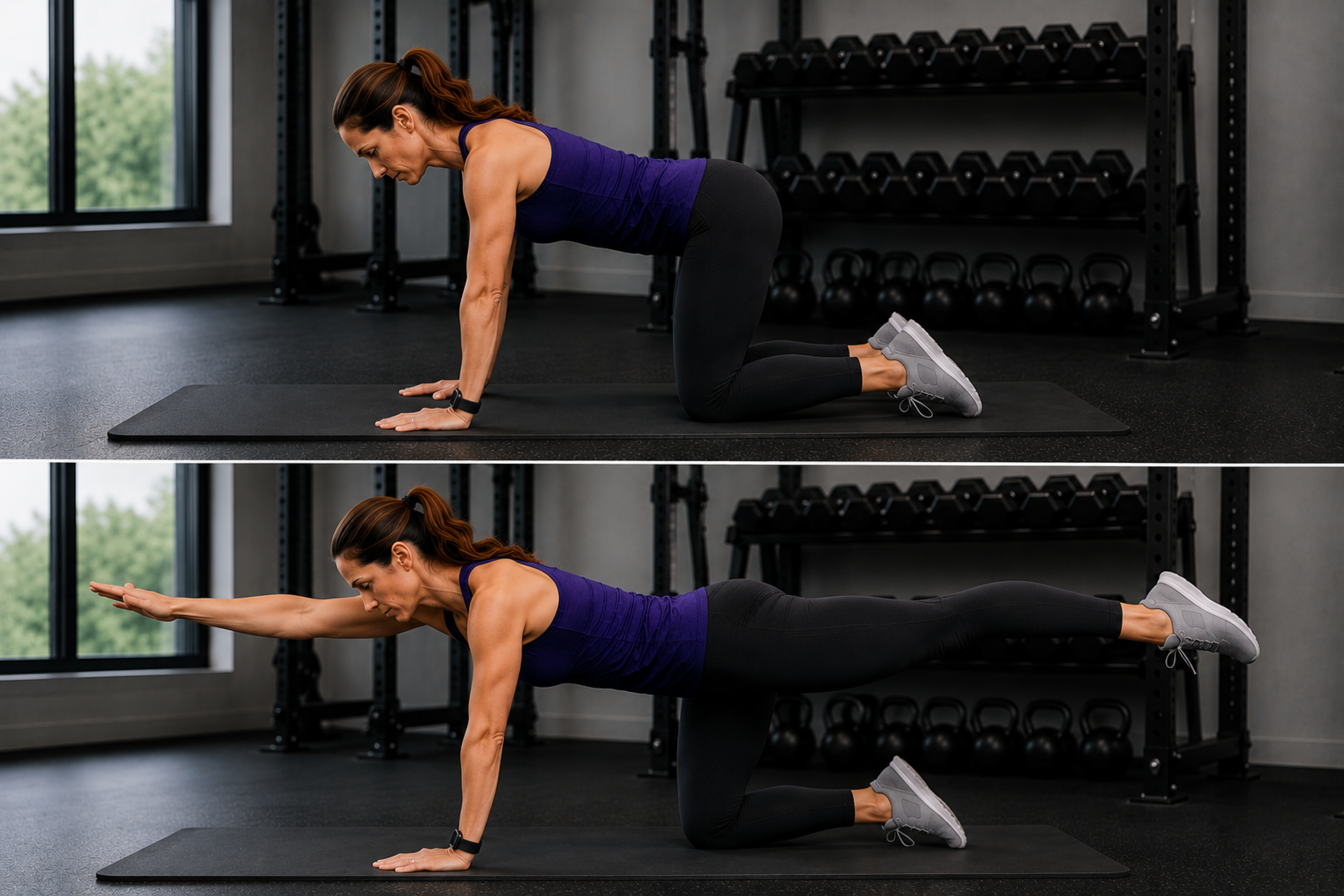
How to do it:
Hold each position (e.g., front plank) for 10–60 seconds. Perform 3–5 sets. Avoid exercises that produce spinal flexion or twisting (such as a sit-up or side bend), as it may overload fragile vertebrae if you have low bone density or irritate potential disc issues.
Exercise 7: Multicomponent Training
Why it works:
Combines weight training, balance, aerobic, and functional movement for maximal results. It is particularly effective for the upper legs, hips, and spine. Multicomponent training is also great for a well-rounded fitness and longevity program!
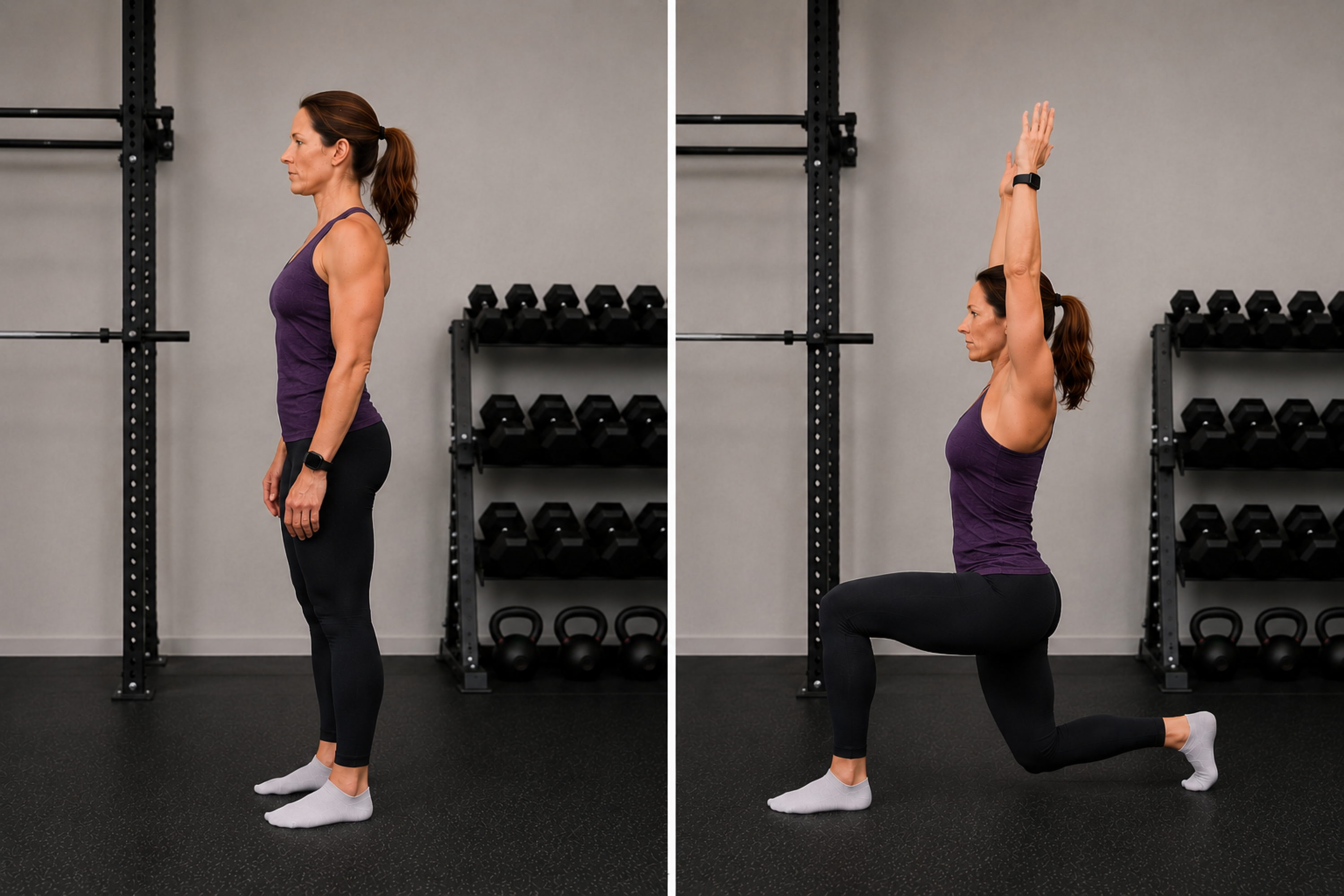
How to do it:
Create routines that include aerobic training, strength and resistance training, and balance. This may include squats, lunges, balance work, walking, and light jumping. Perform 30–60 minutes, 3 or more times a week, and for at least 10 months..
Exercise 8: Loaded Carries
Examples: Farmer Carries, Suitcase Carries, Overhead Carries, etc.
Why it works:
Loads the entire body and enhances grip, core, and lower body strength.
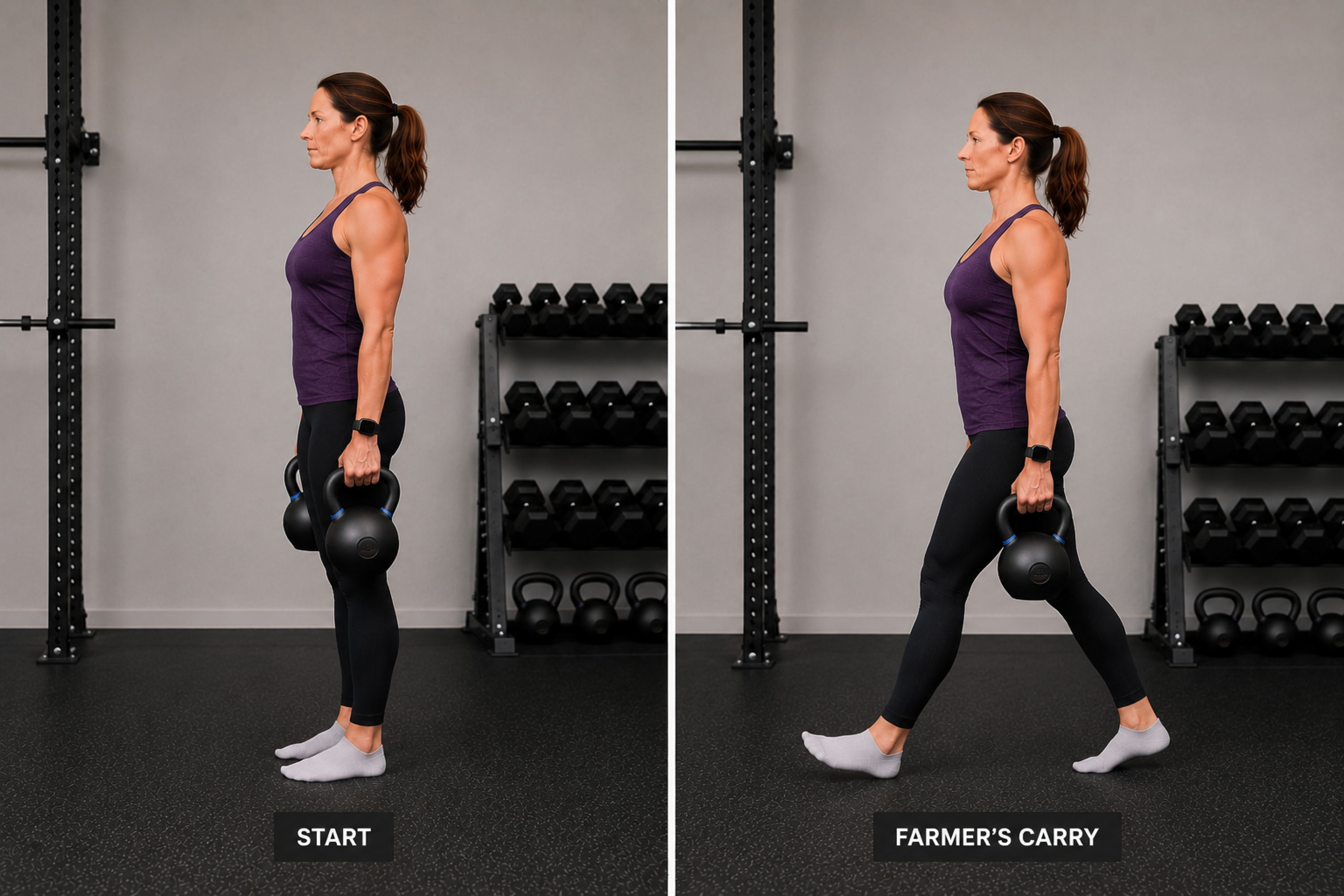
How to do it:
Hold weights at your sides with a proper core brace and walk about 20-50 feet, completing up to 3-4 sets. You may also do static holds. You may progress this exercise by increasing weight or distance.
Exercise 9: Stair Climbing
Why it works:
Stair climbing is a natural weight-bearing movement that strengthens lower body and hips. Using the glutes together with the adductors and abductors can create a compressive stress on the femur - causing bone remodeling.
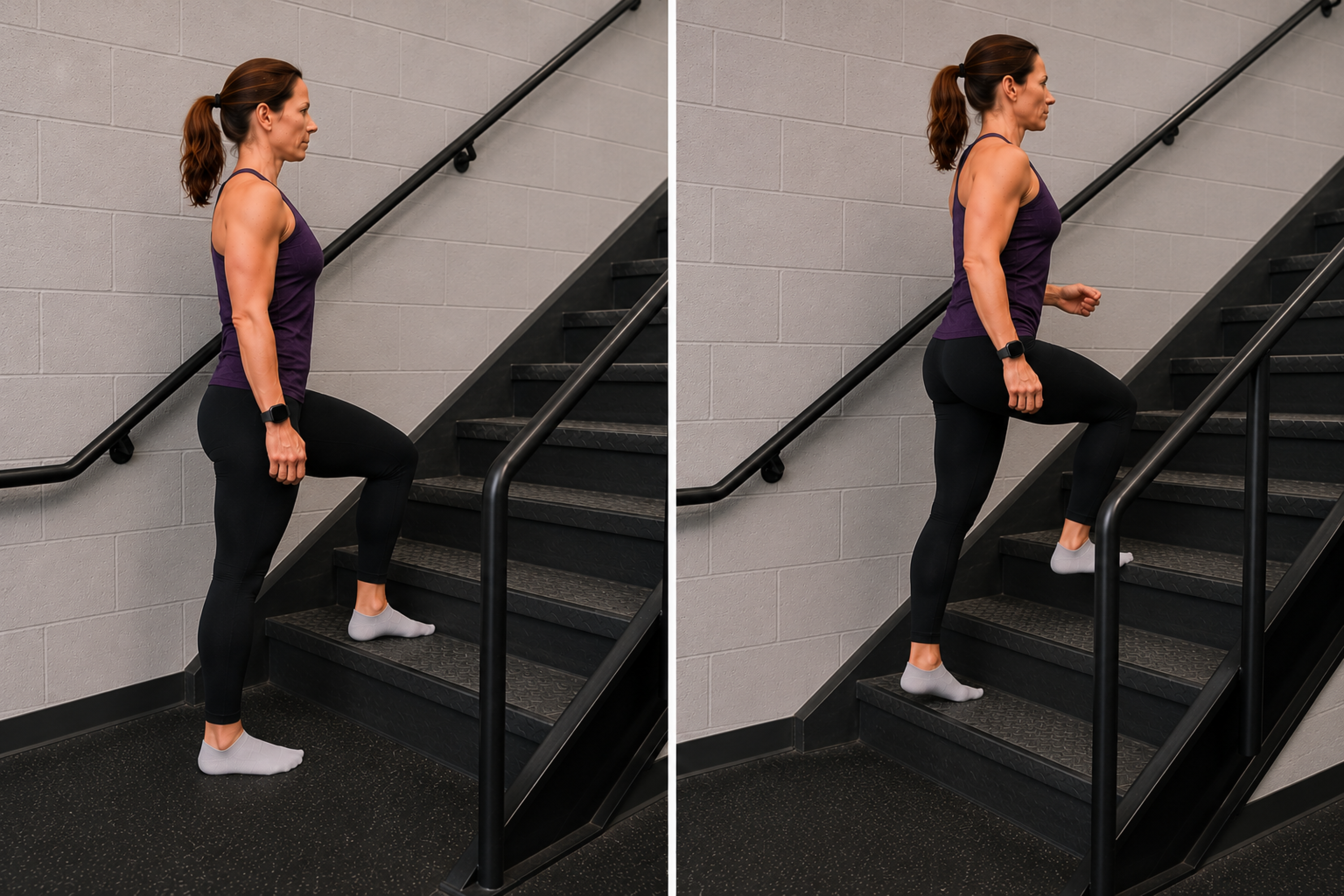
How to do it:
Climb stairs beginning with 10-15 minutes, aiming to progress to 30 minutes 3-5 times per week. This may also be done in shorter intervals or in combination with other weight-bearing endurance activities, jumping, or resistance exercise. Focus on control, posture, and avoiding over-reliance on railings.
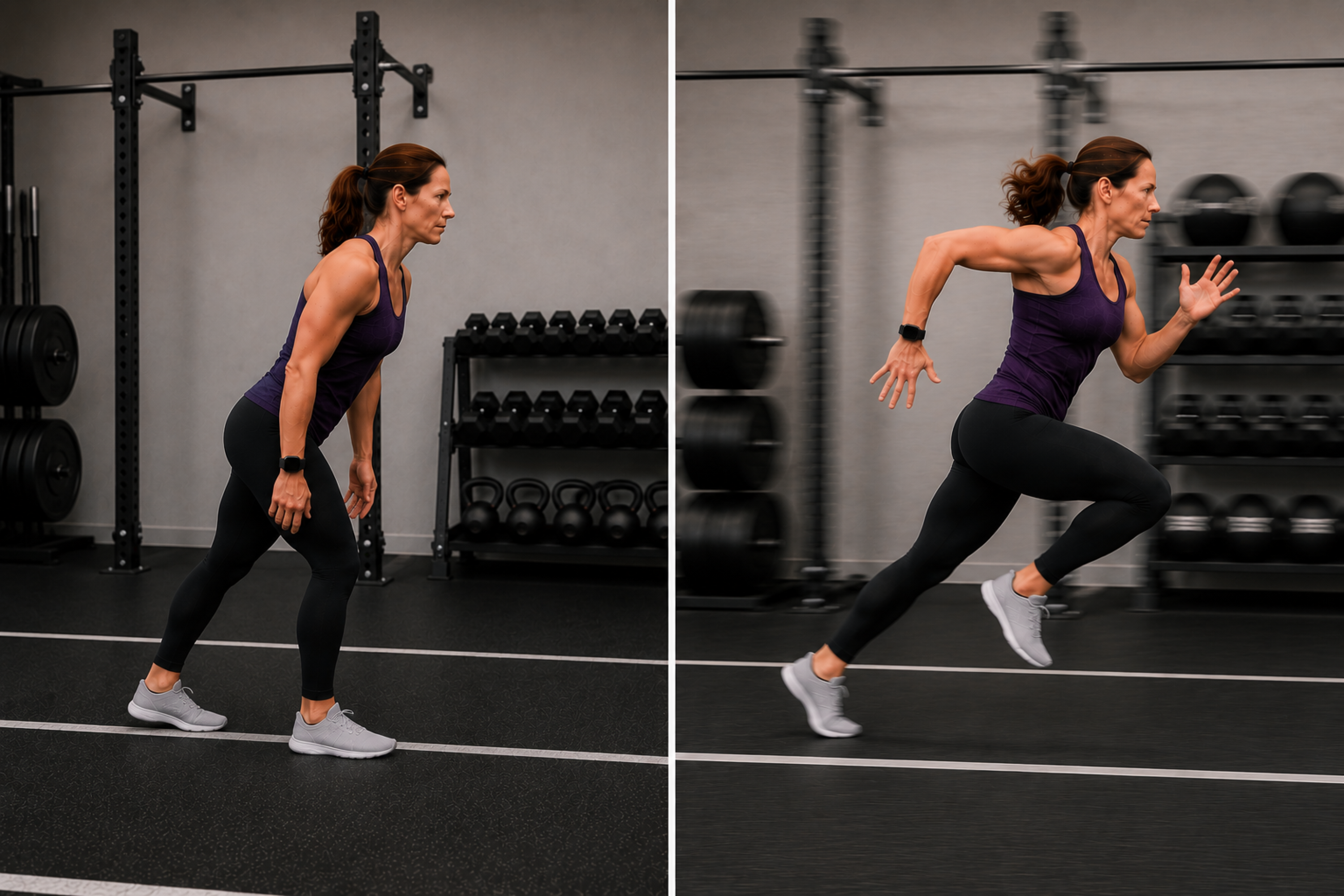
Exercise 10: Short Sprints or Fast Walking Intervals
Why it works:
Introduces intensity and impact variability which stimulates bone formation. It is also great for cardiovascular health!
How to do it:
Add 20–30 second intervals of faster walking, light jogging, or sprints during regular walks. Repeat 4–6 times per session.
Exercise 11: Balance Drills
Examples: Single-leg stands, Tandem/Heel-to-Toe Walks
Why it works:
Falls are a primary cause of fractures in older adults. Strengthening the musculoskeletal system is important, but enhancing coordination and balance is essential for fall prevention. Balance training improves proprioception and stability, especially in aging populations. Integrating balance into training not only reduces the risk of injury but also increases independence and quality of life.

How to do it:
Single-Leg Stand: Stand on one foot for 30–60 seconds, then switch to the next foot. Have a chair or table close by to help balance yourself as needed.
Tandem Walking: Walk in a straight line, placing the heel of one foot directly in front of the toes of the other foot. To progress, attempt first walking backwards before progressing to backwards heel-to-toe walking. These may be performed daily to improve neuromuscular control.
Exercises that do not benefit Bone Density
Running
Running may increase bone density in pre-menopausal women due to the different hormones released during exercise, but post-menopause these effects are decreased.
Cycling
Cycling only increases bone density in the hips but does not affect bone density in the spine.
Elliptical
The elliptical machine does not significantly impact bone density.
Yoga and Pilates
Yoga and pilates does not directly stimulate an increase bone density, but may have other benefits of core strength and mobility.
Rowing
While rowing does not increase bone density, it is beneficial for cardiovascular health.
Swimming
Swimming supports cardiovascular health but does not increase bone density. Swimming may actually decrease bone density.
It is important to note that these exercises can still be beneficial for our overall health – movement is medicine! With that said, these exercises are not the most effective for building bone density.
Related Articles
July 21, 2026
Bone Density Nutrition & Supplementation
Welcome to the 3rd article of our 3 part series on Bone Density.
(1) Understanding Bone Density
(2) Top 11 Bone Building Exercises
(3) Bone Density Nutrition & Supplementation.
June 24, 2026
Bone Density: What is it? Are we at risk? How do I get tested?
Welcome to the 1st article of our 3 part series on Bone Density.
(1) Understanding Bone Density
(2) Top 11 Bone Building Exercises
(3) Bone Density Nutrition & Supplementation.
By Julia Kachianos